



Find Personalized Eye Care in Style
Your eyes let you see the world, so it’s vital to treat them well. Total Vision West Hollywood offers products and services to help you do exactly that.
With the resources and connections of Total Vision at our disposal, we go all-in on caring for your eyes. From stylish frames and lenses to comprehensive eye exams, you’re sure to find what you’ve been looking for.

Uncover Eye Health Risks
Eyes as dazzling as yours deserve to be kept healthy and functional. We design our eye exams to find eye health and vision problems before they can interfere with your life.
Total Vision West Hollywood takes a bespoke approach to eye care, tailoring each of our services to your specific needs. The more we learn about your eyes over time, the more adept we can become at protecting them.
See Us In West Hollywood
We can’t wait to help you make the best possible use of your eyes. Our practice is on Santa Monica Boulevard, near the intersection of Havenhurst Drive.
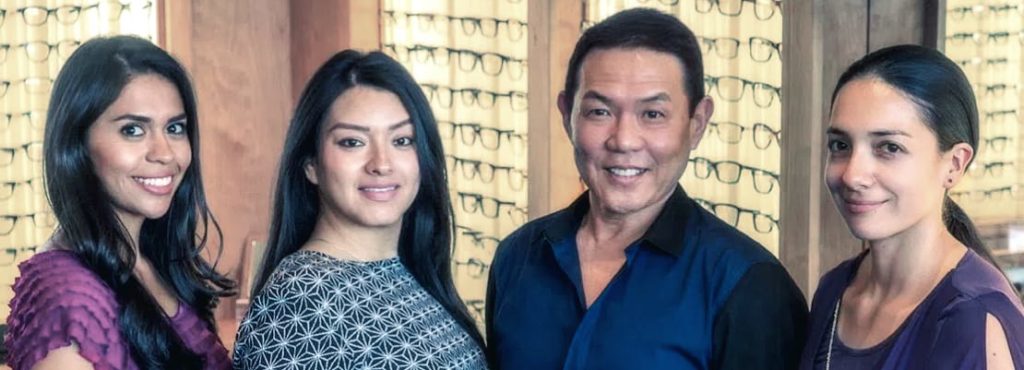
Our Address
- 8205 Santa Monica Boulevard, Suite 15
- West Hollywood, CA 90046
Contact Information
- Phone: 323.650.0337
- Email: [email protected]
Our Hours
- Monday: 10:00 AM – 5:00 PM
- Tuesday: 10:00 AM – 5:00 PM
- Wednesday: 10:00 AM – 5:00 PM
- Thursday: 9:00 AM – 5:00 PM
- Friday: 9:00 AM – 5:00 PM
- Saturday: 10:00 AM – 3:00 PM
- Sunday: Closed
Note: Saturday hours reflect the 2nd and 4th Saturday of each month.
Our Eye Care Services
Our Brands




Our Google Reviews


-
Total Vision West Hollywood
- 8205 Santa Monica Boulevard, Suite 15
- West Hollywood, CA 90046
-
P: 323.650.0337
[email protected]